
Deals & Discount Filters
Apartments for Rent in Spaulding Community
21 Rentals
-
-
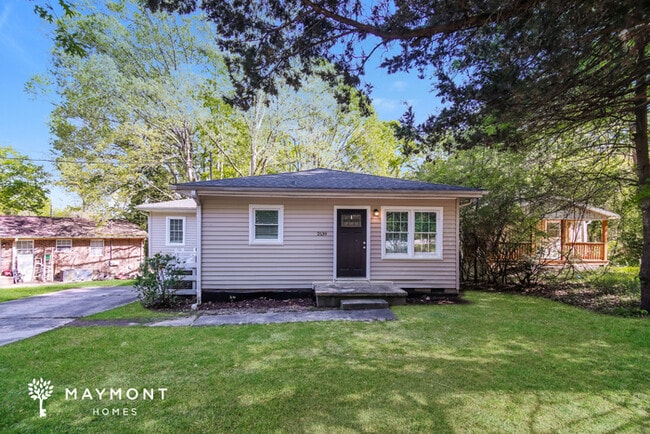
-
1 BED, 1 BATH$775
1220 S Roxboro St Unit 1220 S Roxboro St 1
1220 S Roxboro St, Durham, NC 27707 -
-
-
Total Monthly Price Total Monthly Price New1 BED, 1 BATH$3,430Base Rent$3,430Required Monthly FeesNoneTotal Monthly Price$3,430
3319A Fayetteville St Unit SI ID1300732P
3319A Fayetteville St, Durham, NC 27707 -
-
Looking For Cheaper Options?Explore the Best Affordable Neighborhoods in Durham
-
-
-
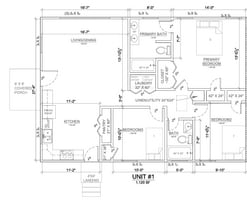 Total Monthly Price Total Monthly Price New3 BEDS, 2 BATHS$1,800Base Rent$1,800Required Monthly FeesNoneTotal Monthly Price$1,800
613 Burlington Ave Unit A
613 Burlington Ave, Durham, NC 27707 -
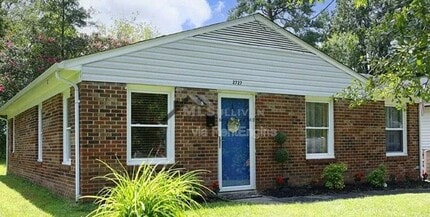 3 BEDS, 1 BATH$1,595
2727 Atlantic St
2727 Atlantic St, Durham, NC 27707 -
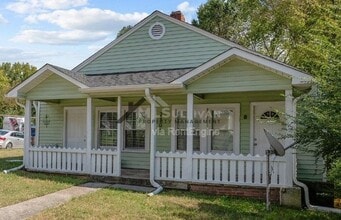 2 BEDS, 2 BATHS$1,250
2301 Otis St Unit 1
2301 Otis St, Durham, NC 27707 -
4 BEDS, 2 BATHS$1,995
401 Moline St
401 Moline St, Durham, NC 27707 -
3 BEDS, 1 BATH$1,800
520 Cecil St
520 Cecil St, Durham, NC 27707 -
2 BEDS$1,145
Roxboro Quads
2246-2314 S Roxboro St, Durham, NC 27707
Durham at a Glance
Spaulding Community Neighborhood
The Spaulding Community is located on the southwest side of Downtown Durham, North Carolina. This is a fantastic neighborhood for students; University Drive bisects the neighborhood, which is adjacent to Duke University. The Spaulding Community includes some smaller neighborhoods, such as Lakewood Park and Morehead Hill.
Lakewood Park lies on the outskirts of the Duke University campus, just south of Maplewood Cemetery. The older urban community is surrounded by familiar Durham neighborhoods, such as Lyon Park, West End, Norwood Avenue, Burch Avenue, Duke Forest, and Tuscaloosa Lakewood. Downtown Durham is located due east of the Lakewood Park neighborhood on the other side of the Durham Freeway, Highway 147. In addition to having such close access to the downtown district, commuters living in Lakewood Park appreciate having a commuting asset like Interstate 85 located within minutes of their neighborhood.
Morehead Hill is one of Durham’s oldest neighborhoods. It is an established residential area filled with stately mansions, historic landmarks, apartment communities, and businesses. Morehead Hill overlooks the historic Tobacco District. Orchard Park, located directly in Morehead Hill, provides lush, grassy areas that are perfect for a sunny afternoon picnic. Grills, picnic tables, and a playground make Orchard Park an ideal family outing. Orchard Park is also the home to a community garden that is maintained by local residents and volunteers.
Residents of the Spaulding Community enjoy a location convenient to many popular Durham destinations. For example, golfers in the community need only drive a few blocks to reach the local country club, Washington Duke Inn and Golf Club. While, shopping enthusiasts seeking retail therapy can walk to Lakewood Shopping Center from their homes in Lakewood Park. Outdoor enthusiasts and nature lovers can take comfort in knowing that Forest Hills Park is situated just a few blocks away.
Spaulding Community residents can enjoy culture, recreation, and entertainment at their fingertips at any number of local venues, such as Durham Performing Arts Center, Durham Athletic Park, or Duke University. Other nearby institutions of higher learning that bring jobs and student renters to the community each academic term include Durham Technical Community College and North Carolina Central University.
Top Budget-Friendly Neighborhoods in Durham
(For 1 bedroom apartments)- Neighborhoods Average Sq Ft Average Rent
- Campus Hills 859 Sq Ft $1,067/mo
- Northeast Durham 918 Sq Ft $1,142/mo
- American Village 662 Sq Ft $1,181/mo
- Hope Valley 765 Sq Ft $1,198/mo
- Weaver 901 Sq Ft $1,251/mo
- Woodcroft 774 Sq Ft $1,269/mo
- Northgate 687 Sq Ft $1,284/mo
- Croasdaile 762 Sq Ft $1,308/mo
- Southpoint 766 Sq Ft $1,327/mo
- South Square 749 Sq Ft $1,384/mo
Discover the cheapest neighborhoods in Durham
Average Rent in Nearby Cities
(For 1 bedroom apartments)- Cities Average Rent
- Durham $1,507/mo
- Morrisville $1,100/mo
- Chapel Hill $1,734/mo
- Apex $1,491/mo
- Cary $1,437/mo
- Carrboro $1,301/mo
- Wake Forest $1,392/mo
- Raleigh $1,646/mo
Education
Data provided by GreatSchools.org 2025 © 2025. All rights reserved.
Select Bedrooms
Specialty Housing
tooltips
Submitting Request
Thank You
About Our Deals
Apartment Finder utilizes the industry's largest and most complete database of real-time rents and availabilities to help you find an amazing deal on your next rental.
Price Drop
Apartment communities change their rental rates often - sometimes multiple times a day. We track the changes and keep you up to date when a rental rate decreases.
Best Value
"Best value" units are located in buildings rated three stars or higher. We label apartment rentals that are priced significantly less than similar high-quality units nearby.
Rent Specials
Apartment communities regularly advertise deals for new residents. Whether it's a move-in special or a free tv, we locate the rentals that offer a little something extra when you sign your lease.
Note: Based on community-supplied data and independent market research. Subject to change without notice.