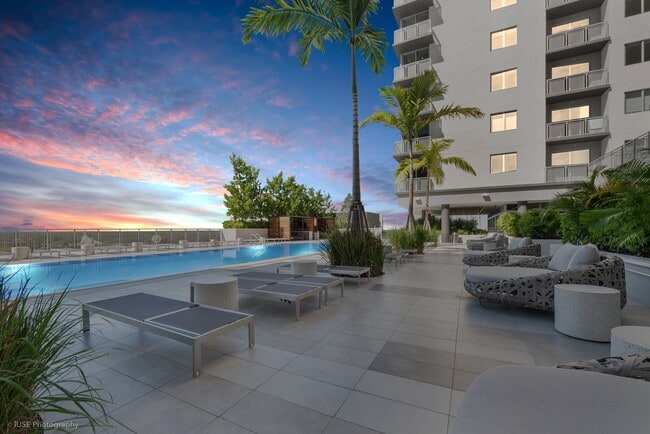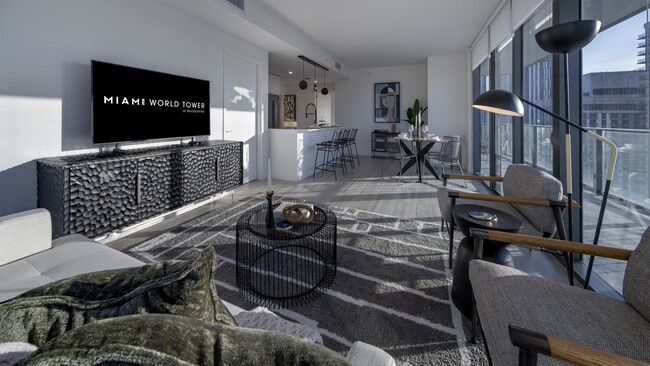
Think unabashed glamour and multi-million dollar ocean villas. It’s a city with a sultry history, hip nightlife and international cuisine. It’s below the Mason-Dixon Line, but it’s not the South. It’s Miami!
Located on the Atlantic coast in southeastern Florida, Miami is the most populous county in Florida. It is the county seat of Dade County, the eighth-most populous county in the US. It’s also a gloriously diverse mix of languages, music, food and traditions and is a top tourist destination for visitors from all over the world.
Beaches and music aside, Miami is also a major center for finance, commerce, culture, media, entertainment, the arts and international trade, ranking seventh in the US in these and other sectors. According to a study in 2009 by UBS, a Swiss global financial firm, out of 79 international cities Miami was ranked as the world’s fifth-richest city.
Unlike many dense urban areas, Miami scores high on the quality-of-life meter; in fact, in 2008 Forbes magazine ranked Miami “America’s Cleanest City” for its good air quality, vast green spaces, clean drinking water, clean streets and recycling programs.
Miami is roughly partitioned into North, South, West and Downtown sections. The heart of the city is Downtown Miami, on the eastern side of the city. This area includes Brickell, Virginia Key, Watson Island and the Port of Miami. Downtown is South Florida’s central business district.
East of Downtown, across Biscayne Bay is South Beach. Just northwest of Downtown is the Civic Center, Miami’s center for hospitals, research institutes and biotechnology.
The southern side of Miami includes Coral Way and Coconut Grove. Coral Way is a historic residential neighborhood built in 1922. Coconut Grove was established in 1825 and is the location of Miami’s City Hall, the Coconut Grove Playhouse and a large number of nightclubs, bars, trendy restaurants and shops, and is popular with local college students.
On the western side are the city’s traditionally immigrant neighborhoods, including Little Havana and West Flagler. Although at one time a mostly Jewish neighborhood, today’s western Miami population is from Central America and Cuba.
The northern side of Miami includes Midtown, a very diverse district that includes many West Indians, Hispanics, European Americans, bohemians and artists, and includes high-rise residential towers. The northeastern part of the city is inhabited by more wealthy residents in sought-after 1920s homes.