Public Elementary School
(720) 561-5431
Grades K-5
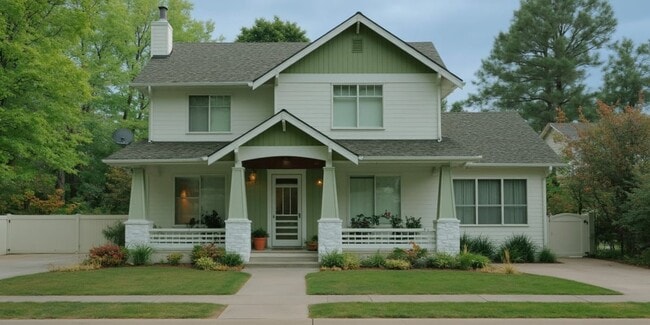
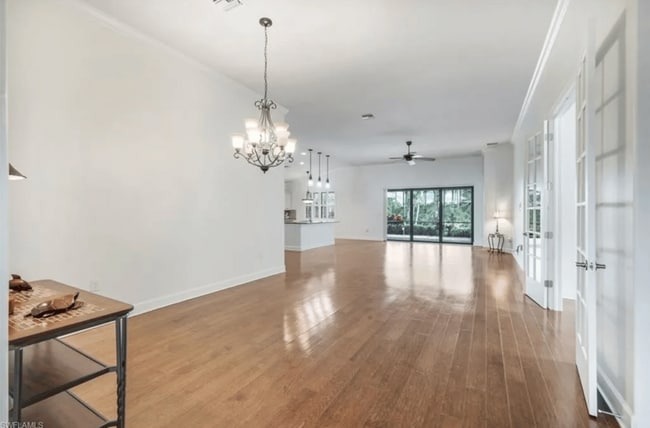
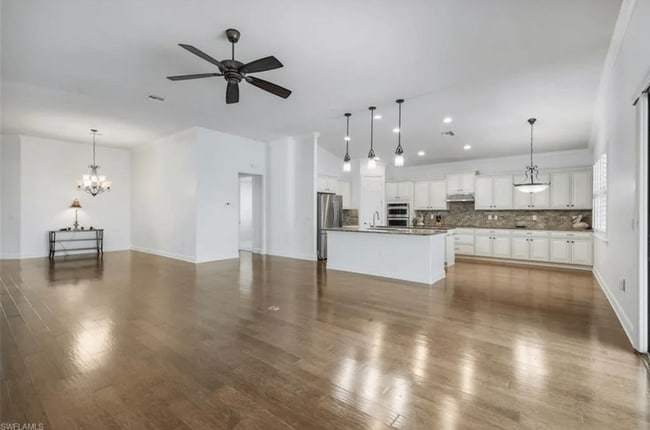
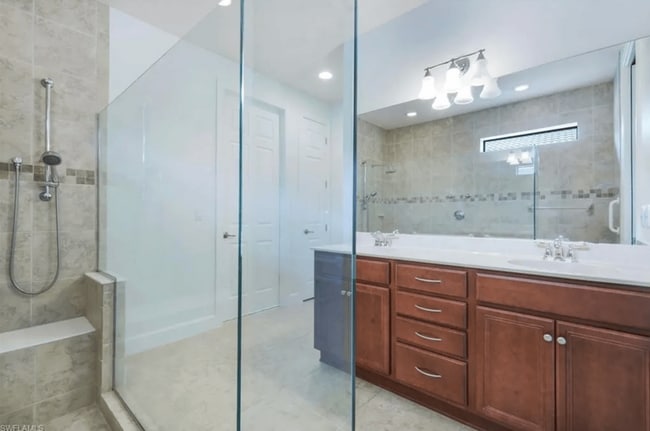
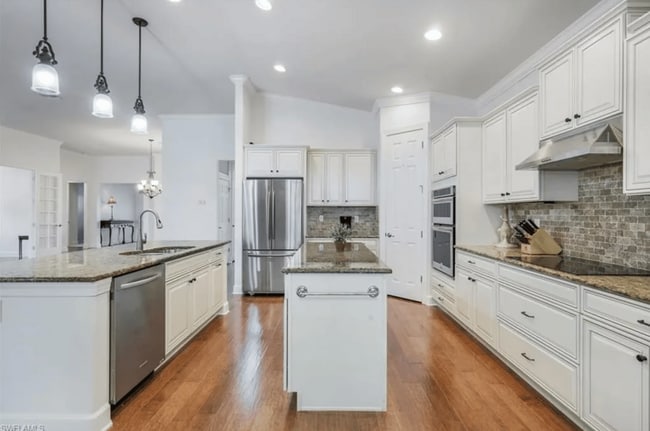
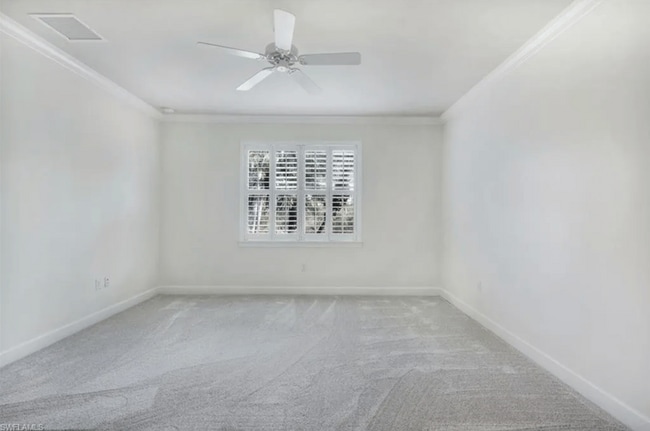
* Price shown is total price based on community-supplied monthly required fees. Excludes user-selected optional fees and variable or usage-based fees and required charges due at or prior to move-in or at move-out. View Fees and Policies for details. Price, availability, fees, and any applicable rent special are subject to change without notice.
Note: Prices and availability subject to change without notice.
Applicant has the right to provide the property manager or owner with a Portable Tenant Screening Report (PTSR) that is not more than 30 days old, as defined in § 38-12-902(2.5), Colorado Revised Statutes; and 2) if Applicant provides the property manager or owner with a PTSR, the property manager or owner is prohibited from: a) charging Applicant a rental application fee; or b) charging Applicant a fee for the property manager or owner to access or use the PTSR.
Contact office for Lease Terms
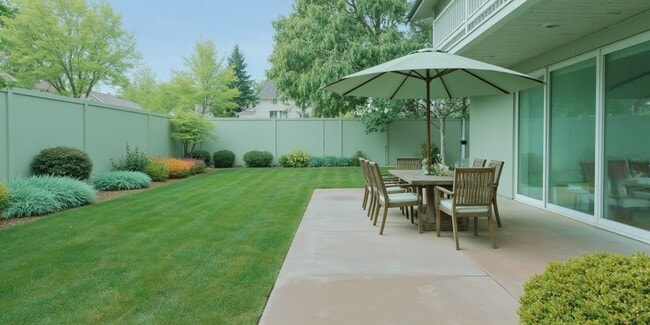
Green grass is one of the most familiar and comforting sights in nature, often symbolizing freshness, life, and tranquility. It blankets parks, lawns, fields, and meadows in vibrant shades of green that change subtly with the seasons and weather. The soft blades sway gently in the breeze, offering a soothing rhythm to those who take the time to observe. Grass plays a vital ecological role—it helps prevent soil erosion, provides oxygen through photosynthesis, and serves as a habitat and food source for countless insects and animals. The scent of freshly cut grass, rich and earthy, evokes memories of summer days, childhood play, and weekend yard work. For many, green grass represents a well-kept garden or an inviting outdoor space, often maintained through regular watering, mowing, and care. In agriculture, grass is crucial as pasture for livestock, while in urban environments, it helps reduce heat and improve air quality. Its resilience allows it to thrive in diverse climates, from lush valleys to high-altitude plains. Beyond its practical uses, green grass also holds cultural and emotional significance, featured in poetry, art, and sayings like “the grass is always greener on the other side.” Whether admired for its beauty, its function, or its symbolism, green grass is a simple yet powerful element of the natural world that quietly supports life while offering moments of peace and connection to the earth. Green grass is one of the most familiar and comforting sights in nature, often symbolizing freshness, life, and tranquility. It blankets parks, lawns, fields, and meadows in vibrant shades of green that change subtly with the seasons and weather. The soft blades sway gently in the breeze, offering a soothing rhythm to those who take the time to observe. Grass plays a vital ecological role—it helps prevent soil erosion, provides oxygen through photosynthesis, and serves as a habitat and food source for countless insects and animals. The scent of freshly cut grass, rich and earthy, evokes memories of summer days, childhood play, and weekend yard work. For many, green grass represents a well-kept garden or an inviting outdoor space, often maintained through regular watering, mowing, and care. In agriculture, grass is crucial as pasture for livestock, while in urban environments, it helps reduce heat and improve air quality. Its resilience allows it to thrive in diverse climates, from lush valleys to high-altitude plains. Beyond its practical uses, green grass also holds cultural and emotional significance, featured in poetry, art, and sayings like “the grass is always greener on the other side.” Whether admired for its beauty, its function, or its symbolism, green grass is a simple yet powerful element of the natural world that quietly supports life while offering moments of peace and connection to the earth.
1500 Alpine Ave. is located in Boulder, Colorado in the 80304 zip code.
Protect yourself from fraud. Do not send money to anyone you don't know.
Private Elementary School
Private Elementary & Middle School
Private Middle & High School
Data provided by GreatSchools.org 2025 © 2025. All rights reserved.
Submitting Request
Many properties are now offering LIVE tours via FaceTime and other streaming apps. Contact Now: